Attention first
Build an observational practice and recognize a possible photograph before lifting the camera.
An open field course · Work at your own pace
Twelve modules about noticing more, building stronger frames, and making photographs that carry the temperature of the place where they were made.
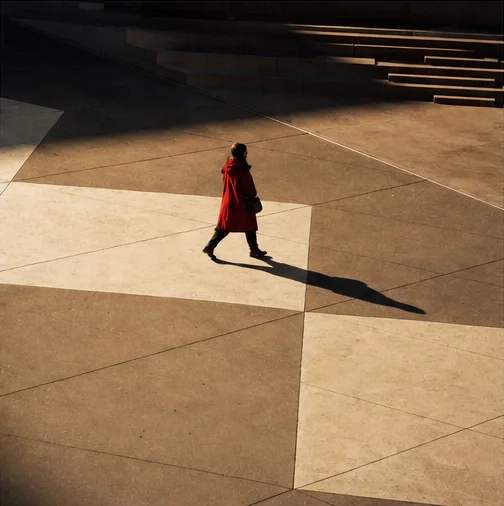
A field-to-sequence workflow. The camera matters less than learning where to stand, when to wait, and what to leave outside the frame.
Build an observational practice and recognize a possible photograph before lifting the camera.
Set exposure, focus, focal length, and carry systems so the camera becomes a response rather than an interruption.
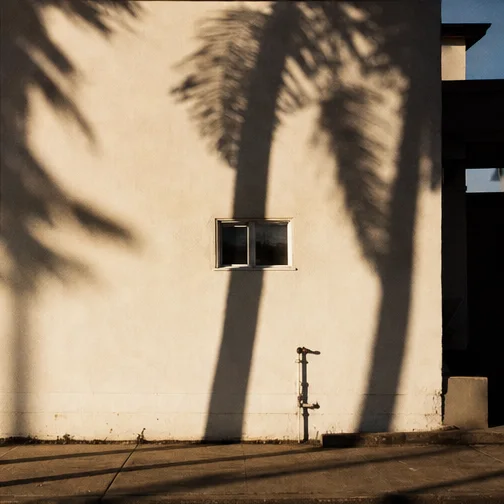
Use hard sun, open shade, reflections, shadow, and architecture to organize a complicated street.
Find restrained palettes and use contrast without letting color overwhelm the frame.
Find the right physical and emotional distance while photographing people candidly and respectfully.
Stay with a promising background, refine the edges, anticipate movement, and recognize the useful gesture.
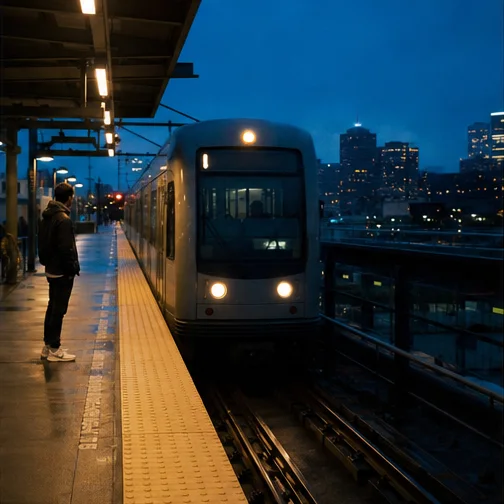
Work on platforms and busy crossings while balancing blur, reflection, timing, and layered space.
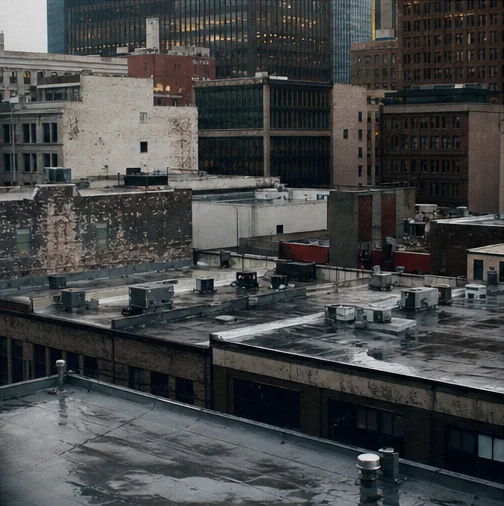
Photograph after dark and after rain with practical approaches to noise, flare, and wet surfaces.
Follow a complete walk, including missed frames, changing plans, and in-the-moment decisions.
Build a repeatable contact-sheet process and separate a good experience from a good photograph.
Move from RAW file to final image with natural color, deliberate contrast, grain, and output sharpening.
Turn individual frames into a coherent body of work for screen, small prints, or a simple book.
No special location and no elaborate setup. Bring the camera you already use and enough time to pay attention.